

Exploring the psychology behind high-stakes casino decisions
The Thrill of Risk: Understanding High-Stakes Gambling
High-stakes gambling attracts individuals with the promise of significant rewards while simultaneously presenting considerable risks. For many, the adrenaline rush of placing large bets is an intoxicating experience. This thrilling atmosphere can lead to impulsive decisions, often driven by the psychological concept known as “loss aversion,” where the fear of losing a bet weighs heavier than the potential for gain. Gamblers may find themselves caught in a cycle, where each bet becomes a test of their limits, both financially and emotionally. Furthermore, exploring the best non Gamstop casinos can enhance understanding of various gambling environments and their effects on decision-making.
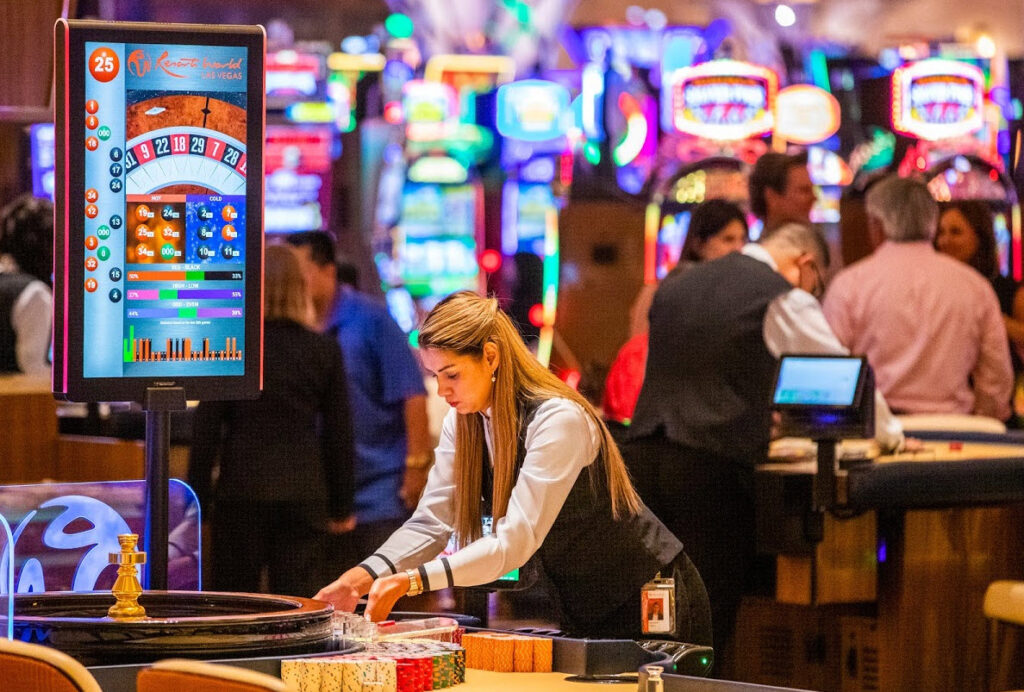
The excitement of high-stakes gambling can also be attributed to the social dynamics present in casinos. Engaging with others in a competitive environment influences decision-making processes. Players often observe their peers and mimic behaviors, which can escalate the intensity of decisions made at the table. Social validation and peer pressure can lead individuals to make bets they might otherwise avoid, blurring the line between self-control and risk-taking. Understanding how these interactions occur can also highlight aspects of a casino that often go unnoticed.
The Role of Cognitive Biases in Gambling Decisions
Cognitive biases significantly impact the choices gamblers make in high-stakes situations. One such bias is the “gambler’s fallacy,” where individuals mistakenly believe that past events affect future outcomes in random games of chance. This leads players to chase losses, convinced that an imminent win is just around the corner. Such skewed reasoning can result in substantial financial losses, as emotions overshadow logical assessment of odds. Recognizing these patterns is crucial for anyone engaging in gambling.
Furthermore, “confirmation bias” plays a crucial role in how gamblers interpret their experiences. Players may selectively remember wins, reinforcing their belief in their own luck or skill, while conveniently forgetting the losses incurred. This distorted perception not only affects the decisions made in the moment but can also create a significant attachment to the gambling experience, making it challenging to walk away even when losing streaks occur.
Emotion and Decision-Making: The High-Stakes Gambler’s Dilemma
The emotional landscape of high-stakes gambling is complex, intertwining excitement, fear, and sometimes despair. Decisions made under such emotional conditions often diverge from rational thinking. When faced with high stakes, individuals may revert to instinctual choices rather than calculated strategies. This emotional response can cloud judgment, leading to risky bets that do not reflect the true odds of the game.
Additionally, the intensity of emotions can fuel the desire for revenge against the gaming system. A loss can trigger feelings of anger and frustration, prompting players to wager larger amounts in an attempt to reclaim their losses. This pursuit of “getting back” can spiral into a dangerous pattern of behavior that deepens engagement with gambling, regardless of the potential consequences.
The Impact of Environment on Gambling Decisions
The physical and social environment of a casino significantly influences high-stakes decisions. Casinos are designed to evoke excitement and allure, from the sounds of spinning slots to the glimmer of chips being exchanged. These sensory stimuli can heighten arousal, often leading to impulsive decision-making. Players may find themselves drawn to high-pressure situations where their adrenaline drives them to make substantial bets they might not consider in a more subdued setting.
Moreover, the social environment plays a crucial role in shaping decisions. Interactions with fellow gamblers can provide a false sense of security, leading to riskier bets. The atmosphere often encourages sharing tips and strategies, which can reinforce poor decision-making processes. Understanding how the environment impacts behavior sheds light on the complexities of high-stakes gambling and emphasizes the importance of self-awareness in such settings.

Promoting Balanced Choices in Gambling Environments
Recognizing the psychological intricacies of high-stakes gambling is vital in fostering healthier decision-making processes. By increasing awareness of cognitive biases and emotional responses, individuals can develop strategies to moderate their gambling behavior. Efforts to promote balanced choices must encompass education regarding the nature of chance, the potential psychological traps involved, and the importance of setting limits prior to gambling sessions.
At Employers for Work-Life Balance, we understand the significance of integrating healthy perspectives into all aspects of life, including leisure activities like gambling. By encouraging a balanced approach, we aim to help individuals engage responsibly with high-stakes decisions, fostering a culture that values well-being and sound judgment, even in the thrills of a casino environment. Our platform is dedicated to providing resources that support healthy work-life integration, enhancing productivity while prioritizing personal well-being.